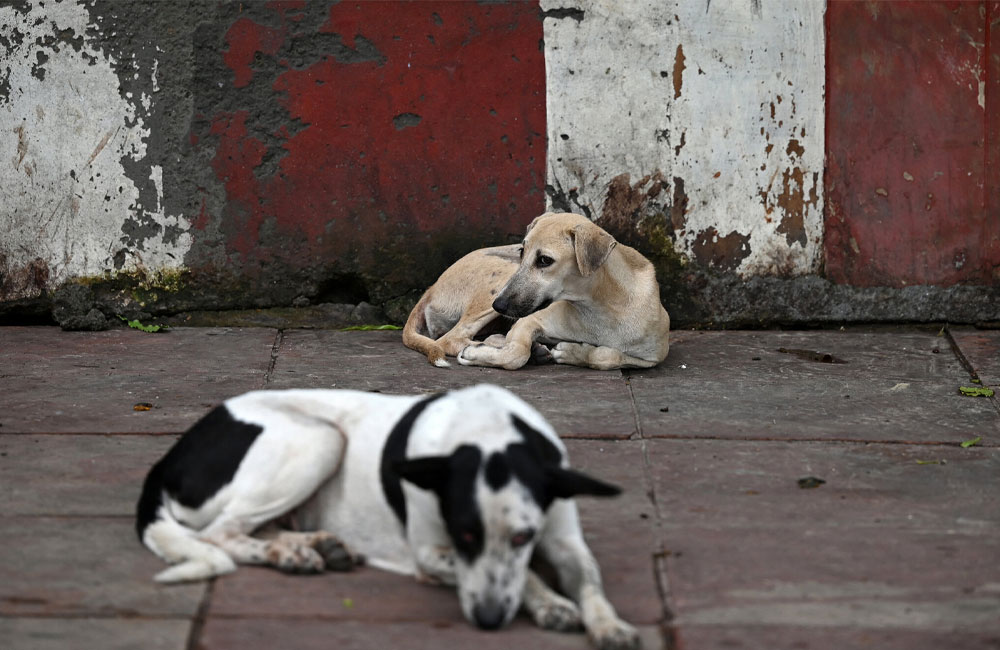
Sri Lanka’s growing stray dog population is creating consequences beyond animal welfare, with dogs reportedly linked to around 30% of road accidents and nearly Rs. 1 billion being spent each year on rabies vaccinations for people bitten by dogs.
The figures were highlighted by Dr. Chamith Nanayakkara, founder of the Association of Veterinarians for Humane Management of Animal Population, during a media briefing in Colombo.
Dr. Nanayakkara said the issue was placing an increasing burden on the country’s economy and argued that human behaviour was a major factor behind the growth of the stray animal population.
He pointed to irresponsible ownership practices and limited awareness of social responsibility as key contributors. Poor waste management was also identified as a factor, as discarded food provides stray animals with an easily accessible source of nourishment and can contribute to population growth.
A proposed legal framework for animal population management could offer a longer-term response to the problem, Dr. Nanayakkara said.
Under the proposed legislation, owners would have to register their dogs with the appropriate local authority. At the same time, responsibility for dogs living on the streets without an owner or caregiver would be assigned to the relevant local authorities.
This would mean that the government would take responsibility for programmes to vaccinate and sterilise such animals, with the aim of ensuring that street dogs are not left without care.
Dr. Nanayakkara described the proposed approach as a positive step towards managing the country's stray dog population.
He also questioned the circumstances that leave dogs living on the streets, arguing that the animals themselves should not be held responsible for a situation largely created by human actions.
The financial implications of the problem, he said, are significant. Public funds are spent on rabies vaccinations following dog bites, while accidents involving dogs create another economic burden.
Dr. Nanayakkara therefore stressed the need to address the issue through a system that combines responsible dog ownership, local authority involvement, vaccination and sterilisation, alongside improved waste management.
The proposed legislation, he said, could provide a structured approach to ensuring that both owned and stray dogs come under an identifiable system of responsibility and care.
Leave your comments
Login to post a comment
Post comment as a guest